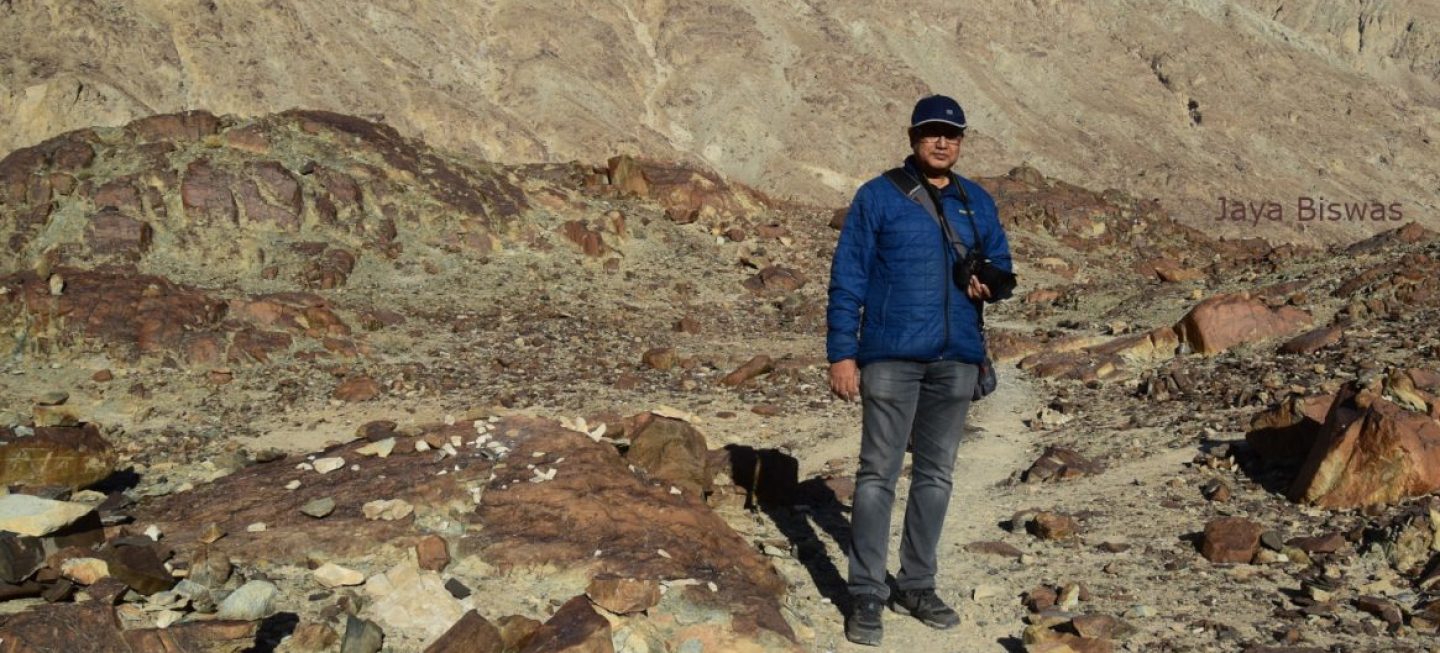

The rain was neither torrential nor was it a light drizzle. It was one of those obstinate, relentless, persistent affairs. The town was almost empty as darkness was falling. Rain and darkness, combined in their mutual delight, do not make the hills happily crowded. On the verge of giving up hope, after suffering through misadventures born of stupidity on part of our overconfident and clueless driver, and after walking on a steep path full of mud in the darkest moments of a powercut, and after getting drenched in early October evening rain, we finally reached our hotel.
The hotel people were duly apologetic. But neither the municipal mud, nor the October clouds, nor the power supply’s intolerance for rain were things they could control. Then our car finally managed to reach the hotel with our luggage and documents. Our driver failed to make the vehicular climb on that literally slippery slope conspiring against his unconvincing skills. It was one of the local drivers whose help had to be obtained and he drove with practical nonchalance. The sight of our luggage was of great joy; the barely embarrassed presence of our driver – not so much. But let me not dwell on him. He was the one sore spot in an otherwise good trip. When in the mountains, always try to get a driver who can actually drive with hilly skills.
As we found our room, the clouds found us. The whole area was engulfed in a large and watery cloud. We noticed in the following days that the speciality of these clouds was in their sporadic yet consistent presence. Sometimes they would cover us, sometimes the lights will dim and shimmer, and sometimes the distant Monastery would disappear. It was rare that the whole town was under cloud cover. It happened once or twice, but mostly one section would fade, while the other sections would wallow in the joy of visibility. Then the clouds would move with languid leisure, covering the buildings and monasteries and roads that were feeling left out. Quite often the clouds would just be a damp blanket, creating a workable opacity. Occasionally they would understand our predicament and allow us to move around.

The magnificent Tawang Monastery, located on the largest town hill, gave us many glimpses of the town’s tryst with the rainmakers.
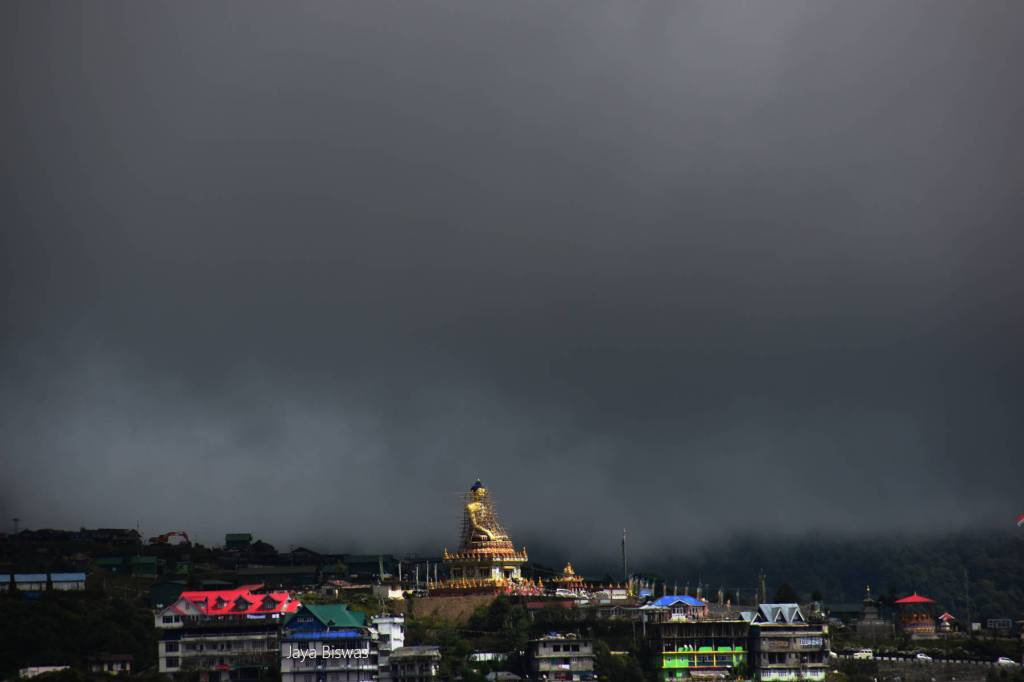
The Monastery is magnificent.

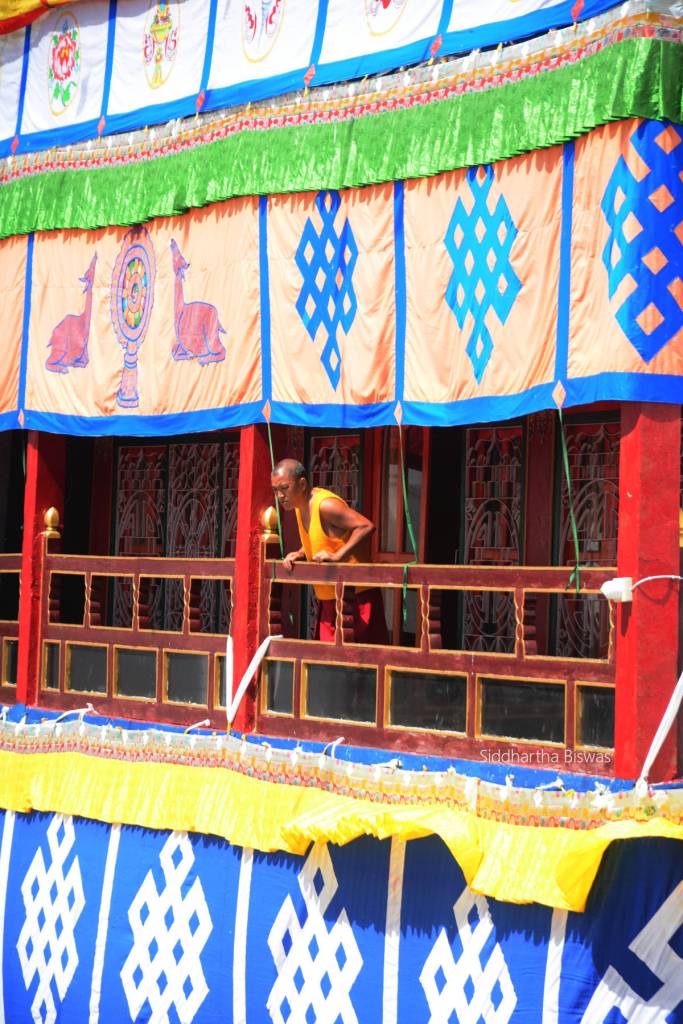
And only when we had finished seeing its impressive interiors, the alleys and paths within, that the darker clouds would appear. Of course, the presence of a horde of Bengali tourists obscenely shouting inside the monastery, taking selfies with the giant idol, trampling the holy seats meant for prayer, had already clouded our mood.
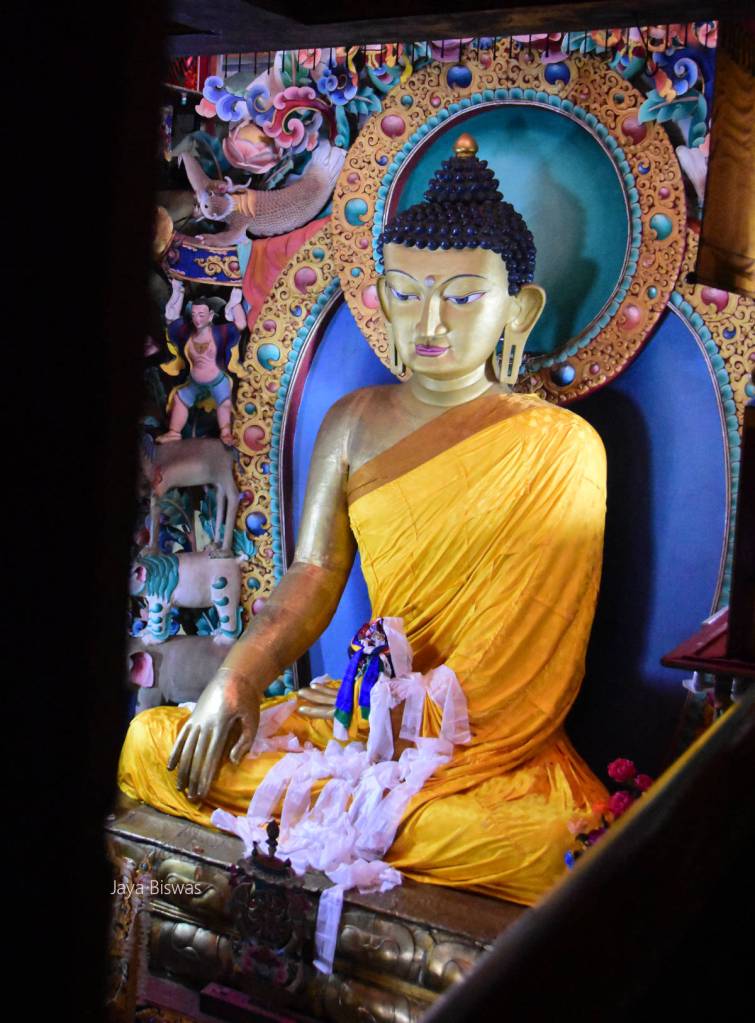


Buddhism preaches patience and tolerance, but I sincerely missed the days when flogging would not have been frowned upon. Being a Bengali myself, I could but apologise for them when the Head Librarian (who gave me a lot of his valuable time discussing local rituals) lambasted Bengali tourists for not only being unruly, but for being irredeemably illiterate and ill-mannered. When J mentioned we were Bengalis too and we do not condone such behaviour, he said he had thought we hailed from elsewhere. Under the circumstances, we took it as a compliment.
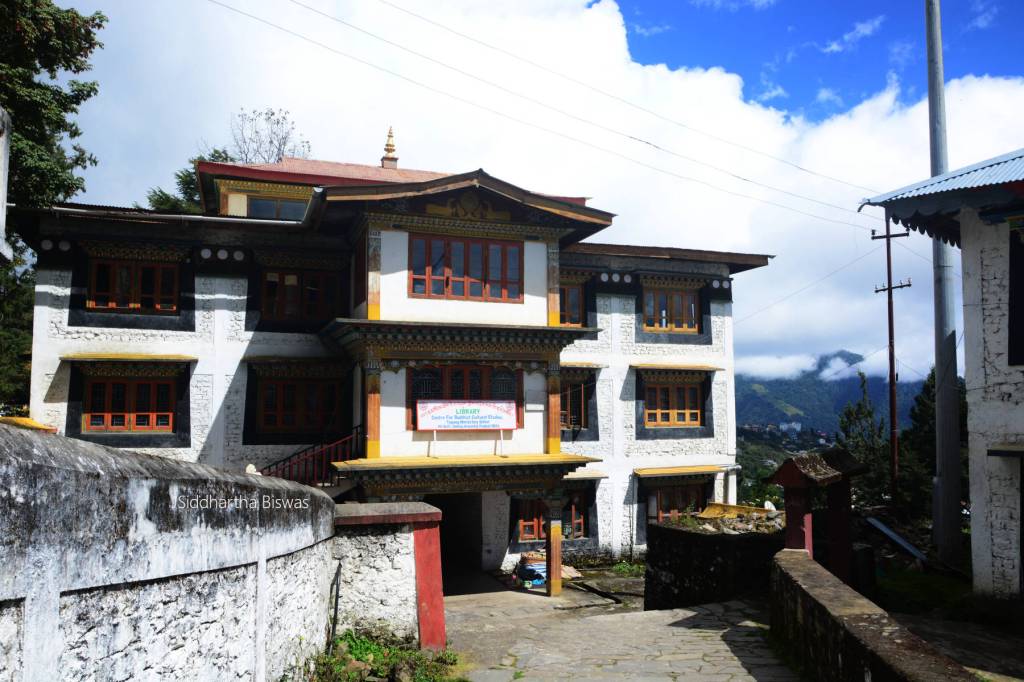
Tawang Monastery is probably the second largest monastery in Asia. Its spiritual significance is of the highest order. The school of culture is well reputed and the Museum inside the Monastery is also worth a visit.

The Monastery hosts the Turya festival every winter come snow or storm. We were fortunate enough to get an invitation. However, Gyatso, our newfound friend, told me to call him before making plans. With climate change, snowed Sela often betrays the travellers. He invited us to the local festival that takes place in April. Getting two invitations is not quite a bad thing. Going back to Arunachal would be a rewarding experience in more ways than one. Tawang is beautiful with and without clouds.
The clouds gave us a beautiful background when we went to the Buddha Park.

They were very kind and during our trip to Urgelling Gompa we were allowed to be accompanied by the sun. This monastery is fascinating not only because the 6th Dalai Lama was born there (the only Dalai Lama to be born in India), but also because there was a friendly monk who explained everything with a number of funny anecdotes. He allowed us to take photographs and videos. Here is one. But as afternoon came, the clouds gathered force. Armed with newly bought umbrellas, we enjoyed the clouds and the flirtatious rain that continued while we looked for local food. We weren’t disappointed. The three eateries that we went to, except the one in the hotel, gave us decent fare. The best was the Sangha Elated Cafe next to the monastery.

It is not one that has the fastest service, but is definitely the most pleasing.
The clouds continued to toy with us during our Bum La trip. This is when we met Gyatso. He won our hearts practically the moment we saw him. He had a lovely car, a very comfortable black Scorpio, and he had a very comfortable demeanour. When he told us that we should not hesitate to tell him whenever we needed to stop and take pictures, we knew the day would be good. He understood that his is a remote part of the country where people come perhaps once in a lifetime. I had similar ideas when I had embarked on this Arunachal trip. I thought I would tick of Tawang from my list and that would be the end of the Arunachal story. But our dialogues with Gyatso opened up a whole new horizon that needs to be explored. It wasn’t only from the tourist’s point of view (with the familiar fashionable demand of the off the beaten track) but also from a deep human angle from which Gyatso presented his state to us. We are interested in history and the local culture and his was a man who could introduce us to the real story of these hills.
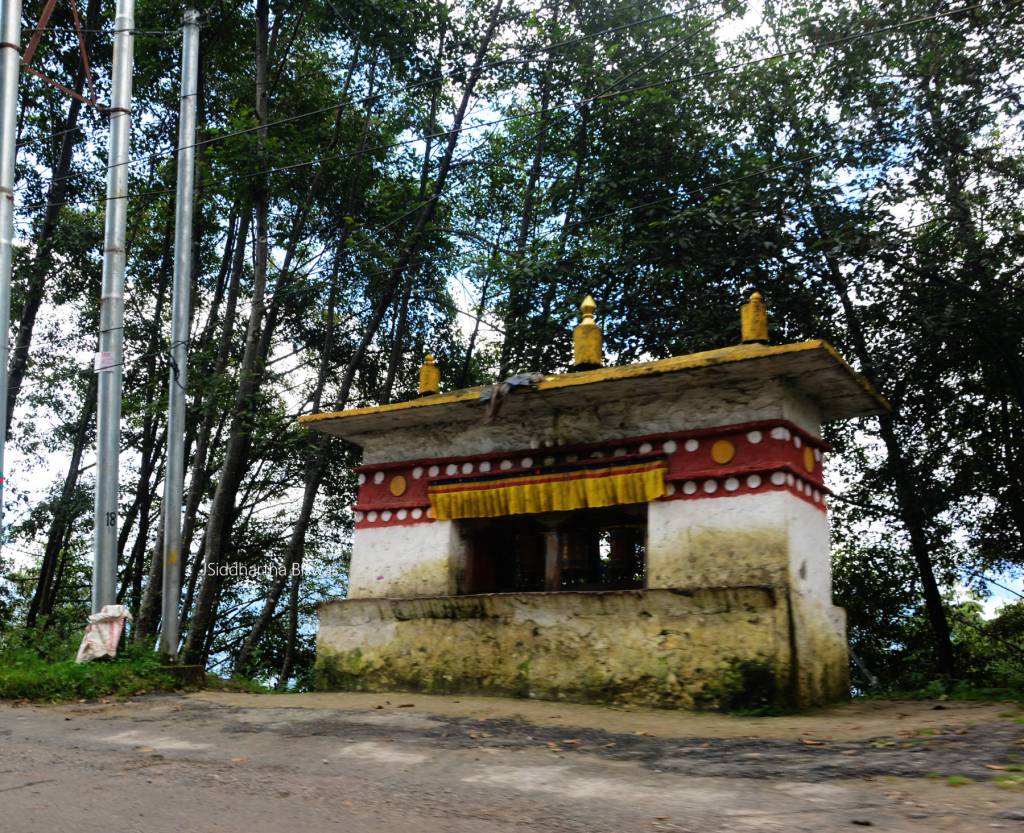
On your way to Bum La pass, through the Nagula Wetland Complex, the road passes by hundreds of lakes. This is not an exaggeration, there are actually more lakes than you can count.
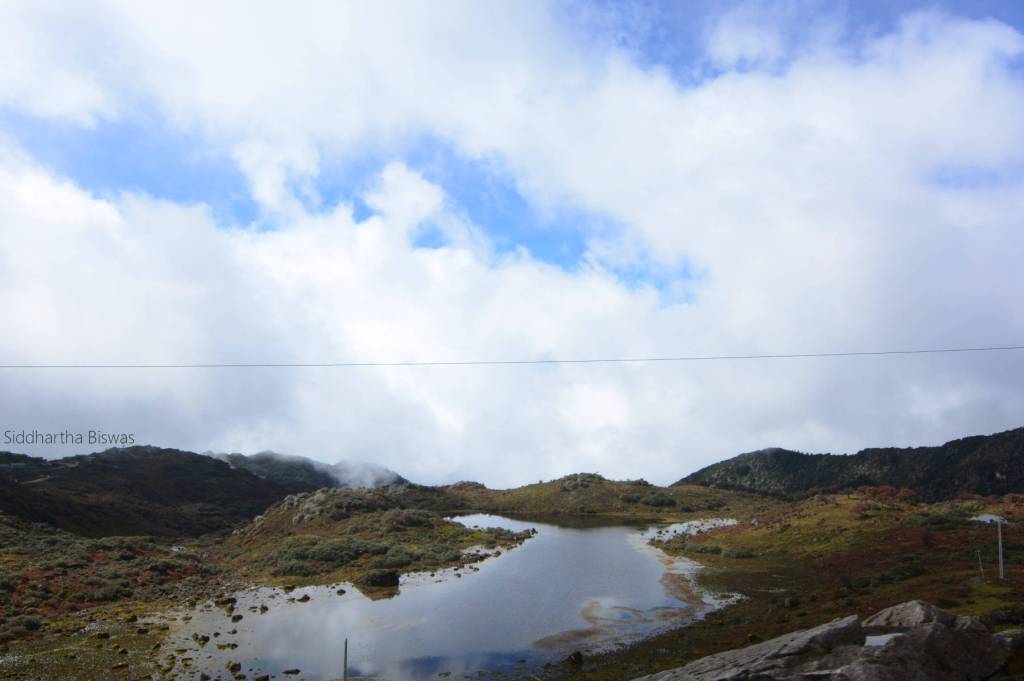

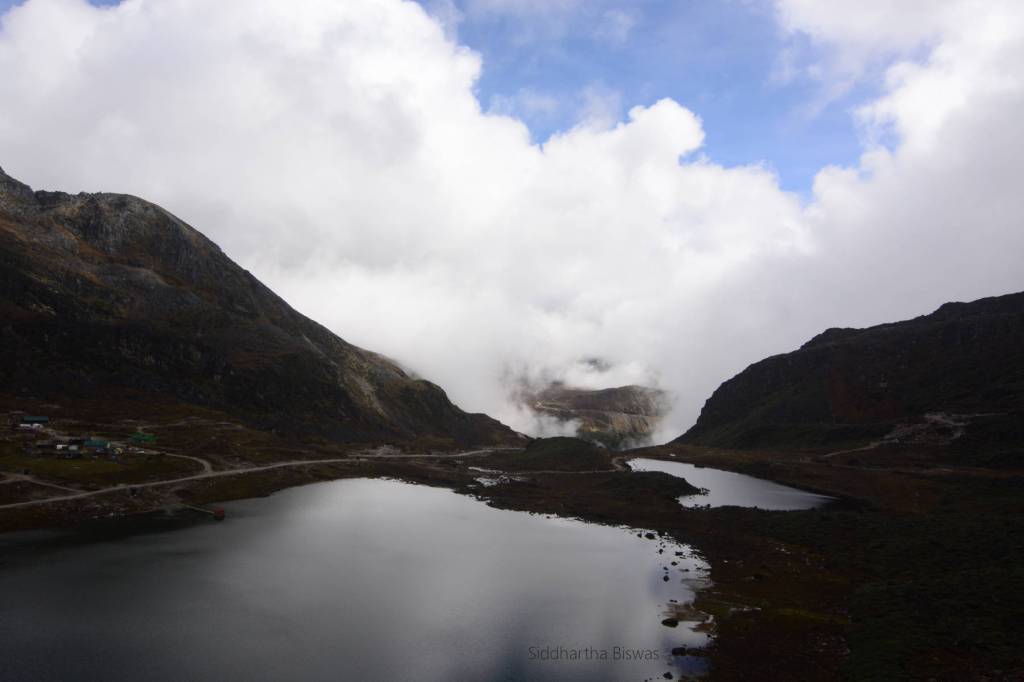
Some call this place ‘The Land of a Thousand Lakes’ and you actually get to see why. Gyatso told us that there are many which are named, and many untouched by human ego. Some you can enviously see from afar, literally far from the madding crowd, or any crowd of any size; then there are some which have become great tourist attractions. As in every other case, the tourist influx is doing great damage to the wetlands – as is the creation of infrastructure. Nature always is the worse sufferer whenever there is human conflict afoot.
Throughout the day, the clouds kept toying with us, with rain one moment and less rain the next – we anxiously held on to the large umbrella bought at the army store in Tawang. Rain might be romantic, but it has a complicated relationship with the camera. And the camera needed to see the lakes in rain. The first major lake we stopped at was the Gribtsang Tso, or Nagula Lake.
This is a happily uncelebrated lake that is considered extremely holy by the people of the region. They say there is one sage who lives near the lake and there is a light in the small face of the mountain on one side that is never extinguished. The Shree Swayambhu temple, located in another lake, is another lovely view. Stop there if you can.

The weather was half-clouded when we had crossed the Peng Teng Tso (Tso means lake, yet we add) Lake, also known as P.T. Tso Lake, has now included boating and fountains. In a place where nature is organically breath-taking, it is sheer human senselessness that adds the artificial.
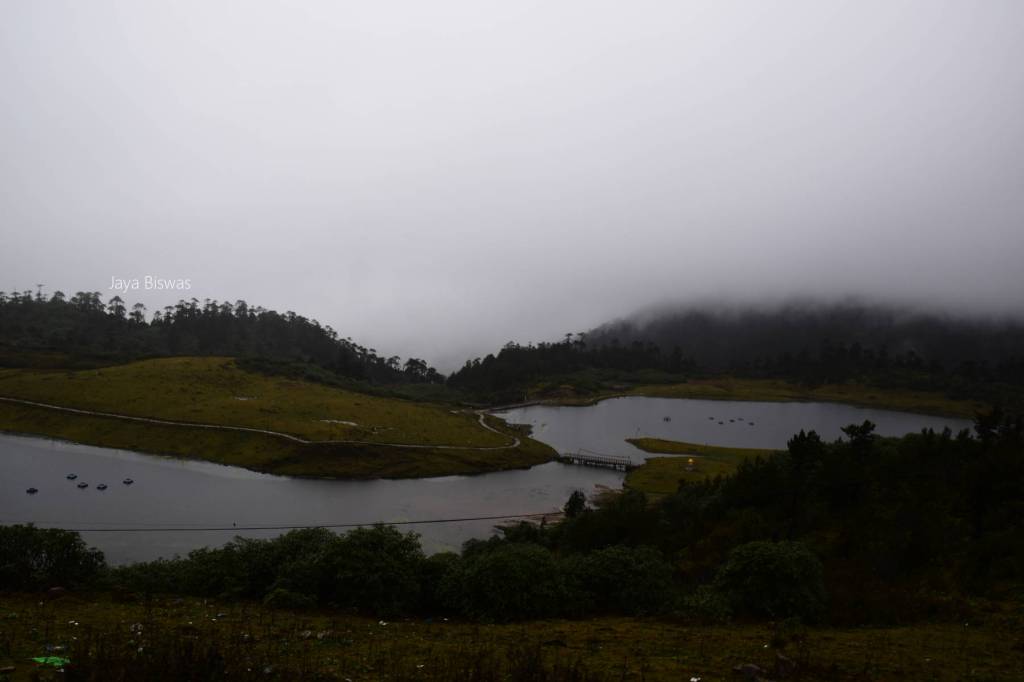
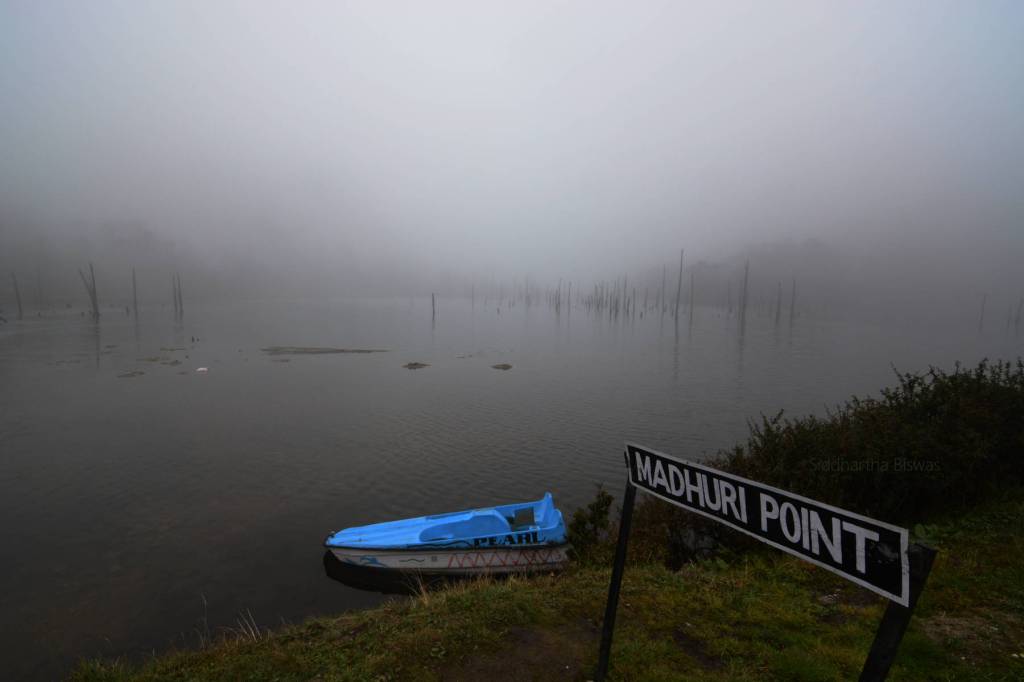
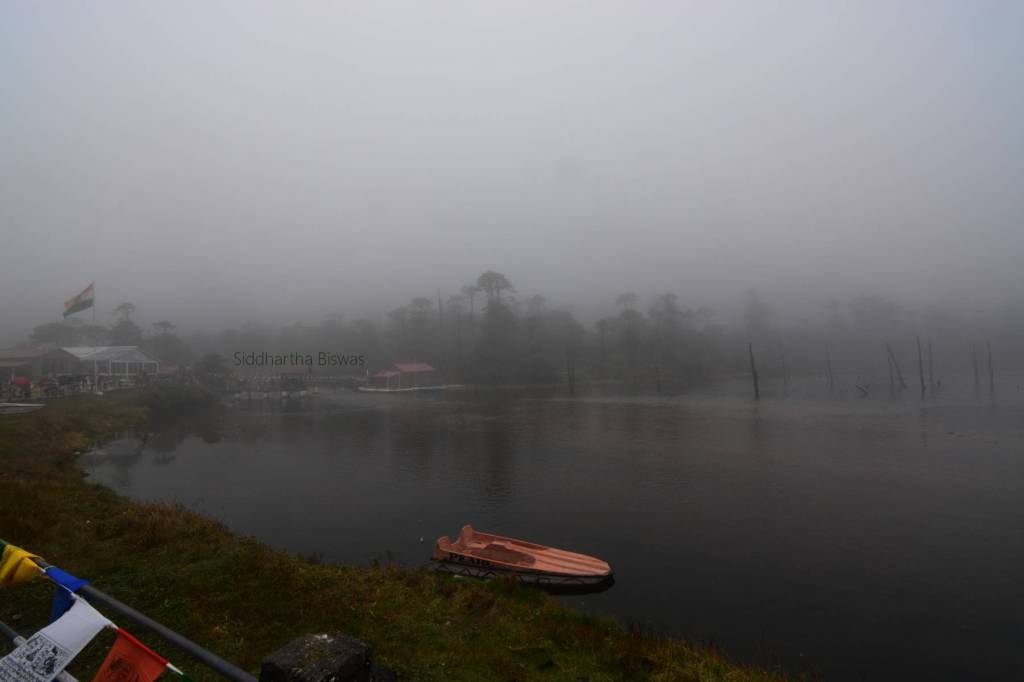
Such is true of ‘Madhuri’ Lake (remember Betaab Valley in Kashmir?). The lake is young, formed in 1973 as a result of an earthquake. But one song in a forgotten 1997 Hindi film, and Sangestar Tso takes on the name of the female lead. The lady in question may have been a formidable presence, but the young lake in question is as holy as it is beautiful. The objection that locals have against this re-naming is something I wholeheartedly support.

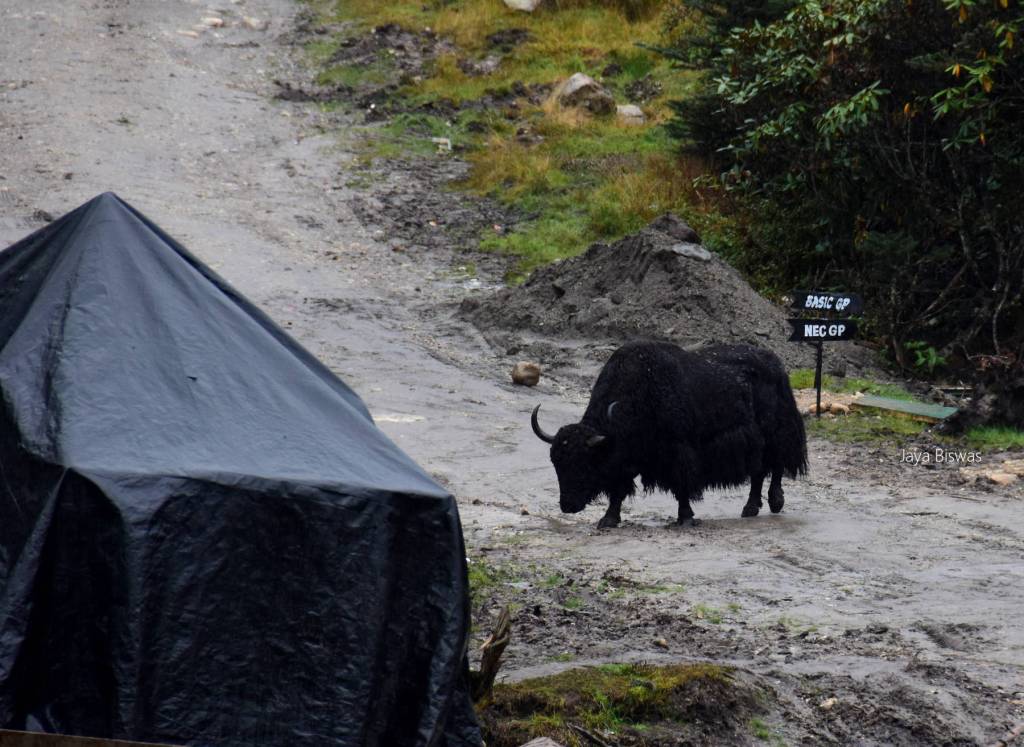
This Yak had us worried for a while. And we finally had a sense of relief when it went to explore other visitors. We went back to the amazing landscape that you go through on the way to this lake.
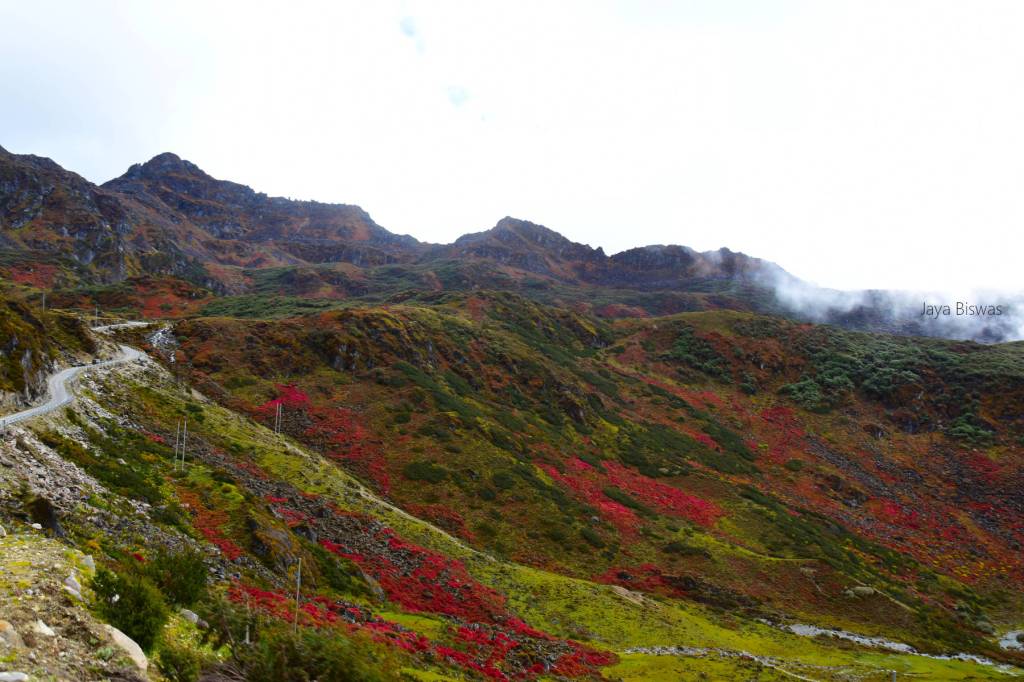
Bum La itself is brilliantly managed by the armed forces. It is located on a not so clearly demarcated border with China. The security here is expectedly high. You have to report and take a number. They have arrangements for tea – quite welcome as the place is incredibly cold.
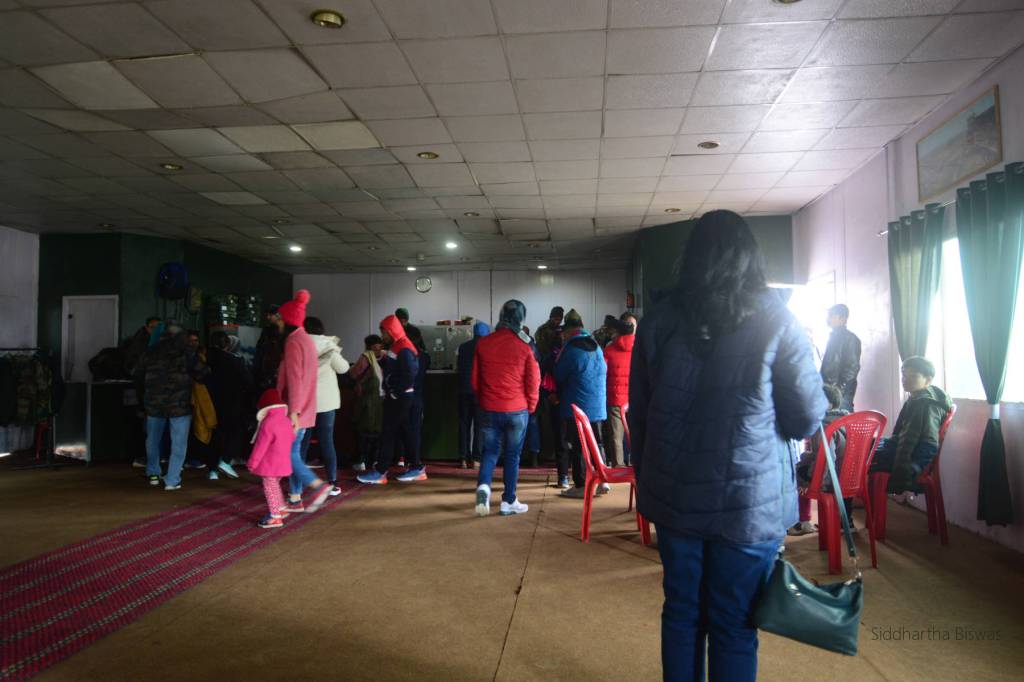
There is a spot till which photography is allowed. After that it is a high security zone.
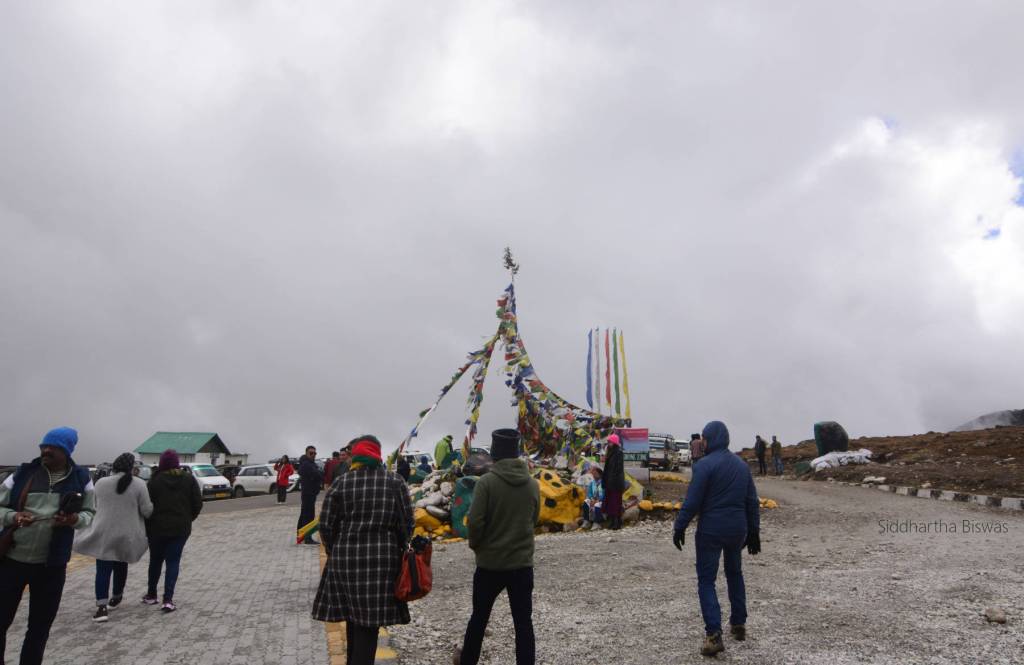
Small batches of people will be taken to the actual front in which a ranking soldier will tell you the story of the recent past and the history that has created the need to have our boys in uniform posted in these harsh regions. There is a fair chance that you will get to see Chinese soldiers, and they may even wave at you. You may have different opinions regarding war and violence and the politics associated with it, but you cannot but admire the courage and fortitude of all the soldiers. The stories of courage that are associated with this entire zone will make you pause. This is a very different reality. Stop for a moment at the Joginder Singh War Memorial.

Also stop for a moment at the café that is almost on the opposite side – the soldiers will treat you to Maggi and amazing Mirch Pakodas.

Remember, these are the men who risk their lives every moment that they spend in this hostile – both geographically and geo-politically – region.
The Tawang War Memorial is another reminder of how soldiers sacrifice their lives. One should always pay respect to the brave souls who are mentioned on those walls. Curiously enough, the rain gods were kind when we visited the memorial. That was probably the only consecutive couple of hours we had spent in Tawang without rain.


We left the next morning. As we left, the few glimpses of blue were covered by darker hues. The sky was dark grey. The monastery was completely nonvisible. We could not say our final goodbye. I hope that means we will find ourselves amongst the clouds soon enough.
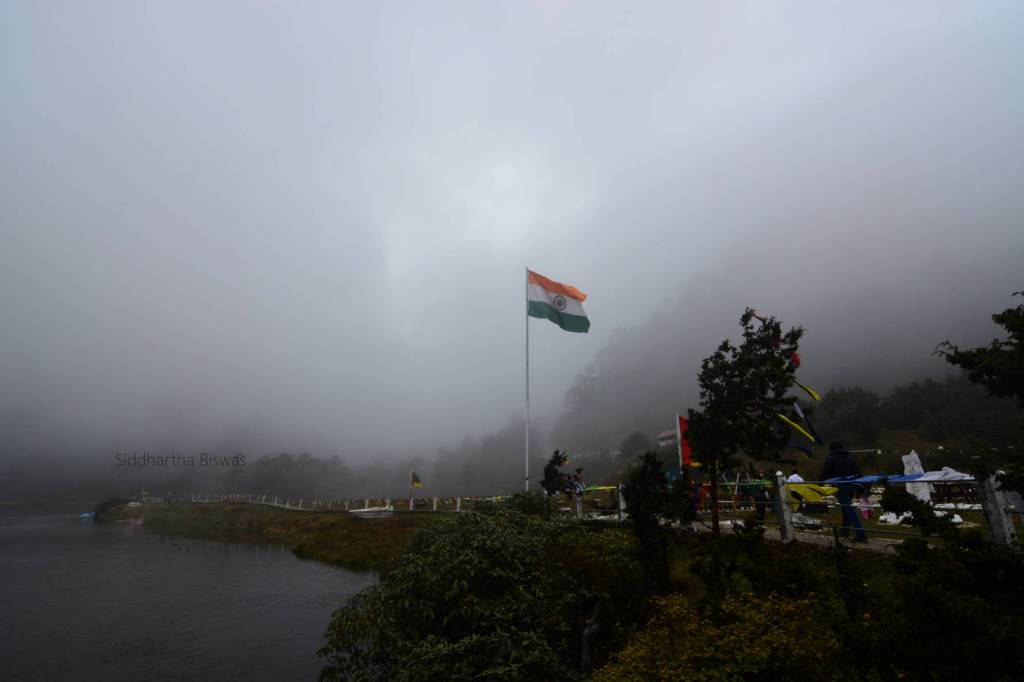
Relevant information
Tawang is almost 500 km from Guwahati, and 330 km from Tezpur.
There are several places to stay in Tawang, staying near the main market is a good idea. The town has a complicated one-way system, check location before booking.
Located in Arunachal Pradesh.
It is best to have prior bookings.
The best time to visit is summer.
Famous for natural beauty.
Unreliable public transport. It is best to have prearranged vehicle.
Nearest station and airport – Tezpur.
Inner Line Permit mandatory.
Earlier Posts
1. Old Lucknow 2. Colonial Lucknow 3. Going Downhill – Versey to Dentam 4. Going to Garhwal 5. The Walkers 6. Palamau 7. Rishikesh 8. Kolkata Kolkata 9. The Roar of the Clouds – Santiniketan 10. Of Pests and Men – Uttarey 11. Where Hikers Fear to Tread – Rudranath 12. Old Times 13. History in Ruins – Pushpagiri 14. Once There was a Heaven 15. Serenity 16. Pilgrim’s Progress – Kedarnath 17. Unfinished – Gaumukh 18. Ghatshila 19. Nothing Important 20. Manu’s Alaya – Manali 21. Santiniketan 22. Little Lhasa – Dharamshala 23. From Varuna to Assi – Varanasi 24. Tunganath 25. Transitory Blues 26. Gurudongmar 27. The Beginning 28. Yumesamdong 29. Bangali in Bangkok 30. Mukutmanipur 31. Rasvanti 32. The Old Town and the Sea 33. Budapest 34. The Last Post of 2019 35. Travel Travails 36. Cluj-Napoça 37. Presenting the Past 38. Far From the Urban Crowd 39. Silent Night Sleepless Night 40. Norwich 41. Photo Essay – The Road 42. Photo Story – The Days of the Goddess 43. Badrinath 44. Monumental Mistakes 45. Odyssey Now 46. To the Mountains 47. Keylong 48. Where Moon River is Born 49. Kaza 50. Through the Valley of Spiti 51. Kalpa 52. Sarahan 53. Un-happy Journey (Meghalaya) 54. Shimla 55. Bhalukpong 56. Rissia Nature Camp – Kuldiha Forest 57. Arunachal Diaries – Dirang 58. Arunachal Diaries – Sela to Jong 59. Quest for Quietness – Barot 60. Chindi to Chail 61. Baranti


Thank you Siddhartha
LikeLike
I definitely think rain can enhance an environment, sometimes more than good weather. I remember sitting on a hotel balcony above Ma Ganga in Rishikesh and enjoying the muted lighting and atmosphere that came with the clouds. Sounds like a wonderful trip!
LikeLike